Spaceship Alpha 9
The studio. Everything with a release date comes out under this name — the shows, the record, the books, the software. If it shipped, SA9 shipped it.
Atlanta, Georgia
Not a collective, not an agency, not a stealth startup. Two people who kept building after work until the after-work thing outgrew the job — and never took a cheque to speed it up.
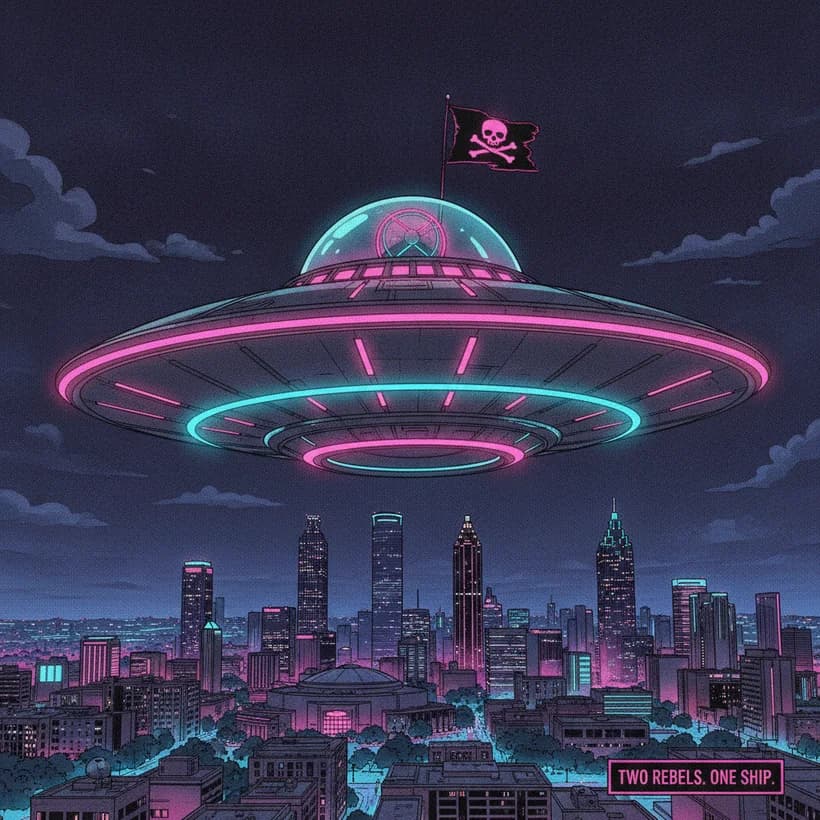
The studio. Everything with a release date comes out under this name — the shows, the record, the books, the software. If it shipped, SA9 shipped it.
A person, not a company and not a product. Greg's working name — the one on the writing, the records and the transmissions. The studio builds; the architect signs.

Enterprise AI strategist, multi-patent inventor, OSINT/SIGINT operator and red teamer, Guinness World Record holder, investigative writer and music producer.
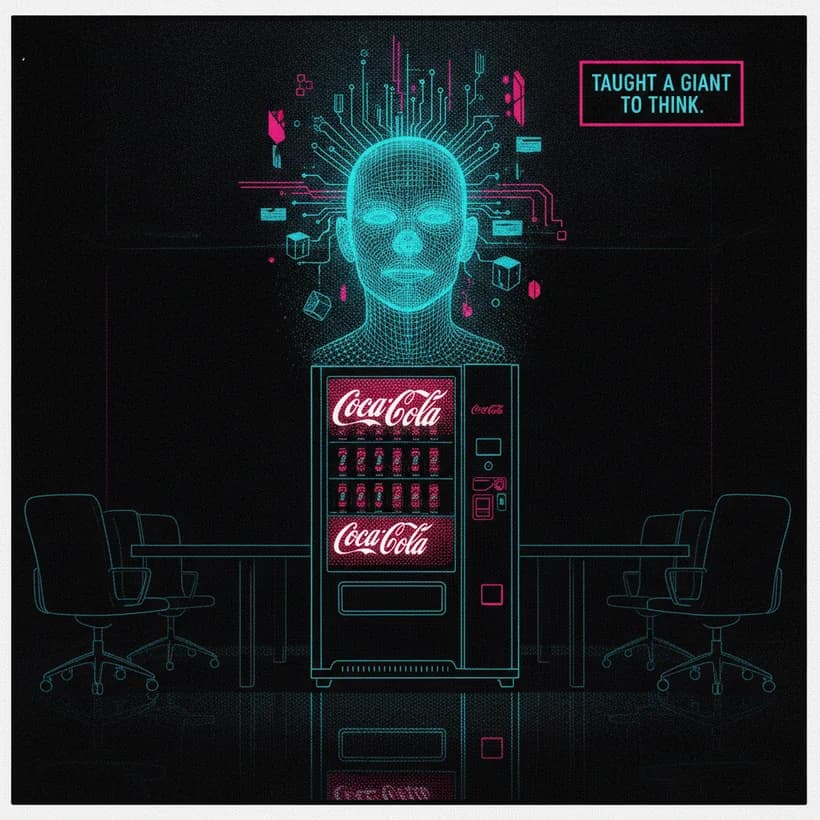
Global Group Director of Digital Innovation at The Coca-Cola Company — conversational AI in vending infrastructure, deployed across 15,000+ locations.
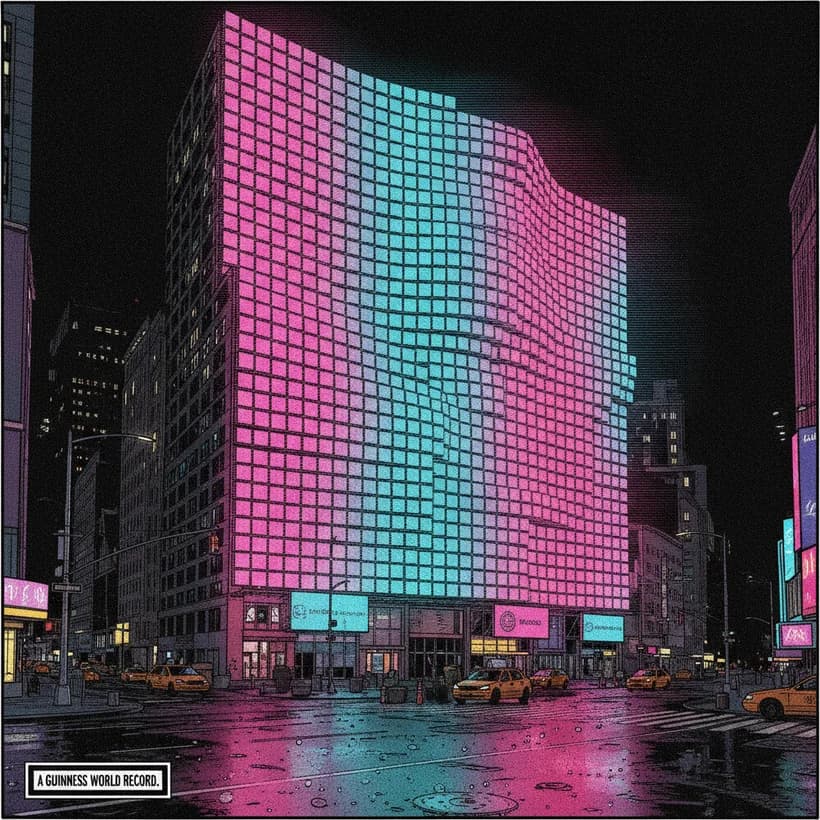
That job is the tell. Conversational AI went into 15,000+ locations in a period when there was nothing to buy — no vendor, no reference build, no conference talk to copy. It got made because somebody sat down and made it. The Guinness record is the same story with different hardware: 1,760 LED cubes moving independently, a sign that worked in three dimensions, because nobody had built one to compare it against.
Twenty patents came out of that habit rather than a legal strategy. Three carry public numbers you can read in full below; the rest are filed under the same idea, which is that a system you can describe precisely enough to patent is a system you actually understand.
The security half is not a genre interest. OSINT, SIGINT and red team work is where the studio's field manual comes from — it reads like an operator wrote it because one did, and it takes the operator's side of every argument in it.
The through-line is the same one every time: build the system rather than specify it, and stay close enough to the work to know when it's lying. The nightly newscast on this site sources, scores, animates and publishes itself — same discipline, pointed at a studio instead of a Fortune 100. Every pipeline behind everything here was written by the person telling you about it. That is the whole claim.
 01
01Put conversational AI into vending infrastructure across 15,000+ locations — back when that meant building the thing, not buying it.
 02
021,760 independently moving LED cubes. It holds the record because nobody had made a sign that moved in three dimensions before.
 03
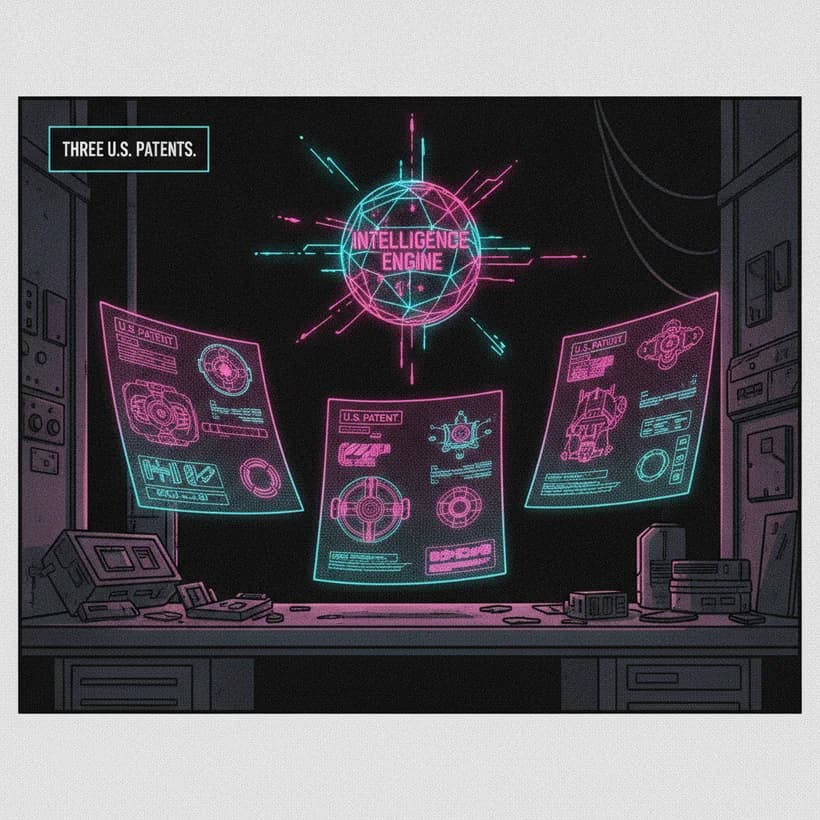
03Intelligence Engine, Networked Theft Prevention, and Dynamic Signage for Electronic Menu Board. Examined and public — you can read them.
 04
04Also the reason the studio's security book is a field manual rather than a summary: it's written from the operator's side.
Across AI, security and IoT. These three are the ones with public numbers on file — granted, examined, and readable in full.
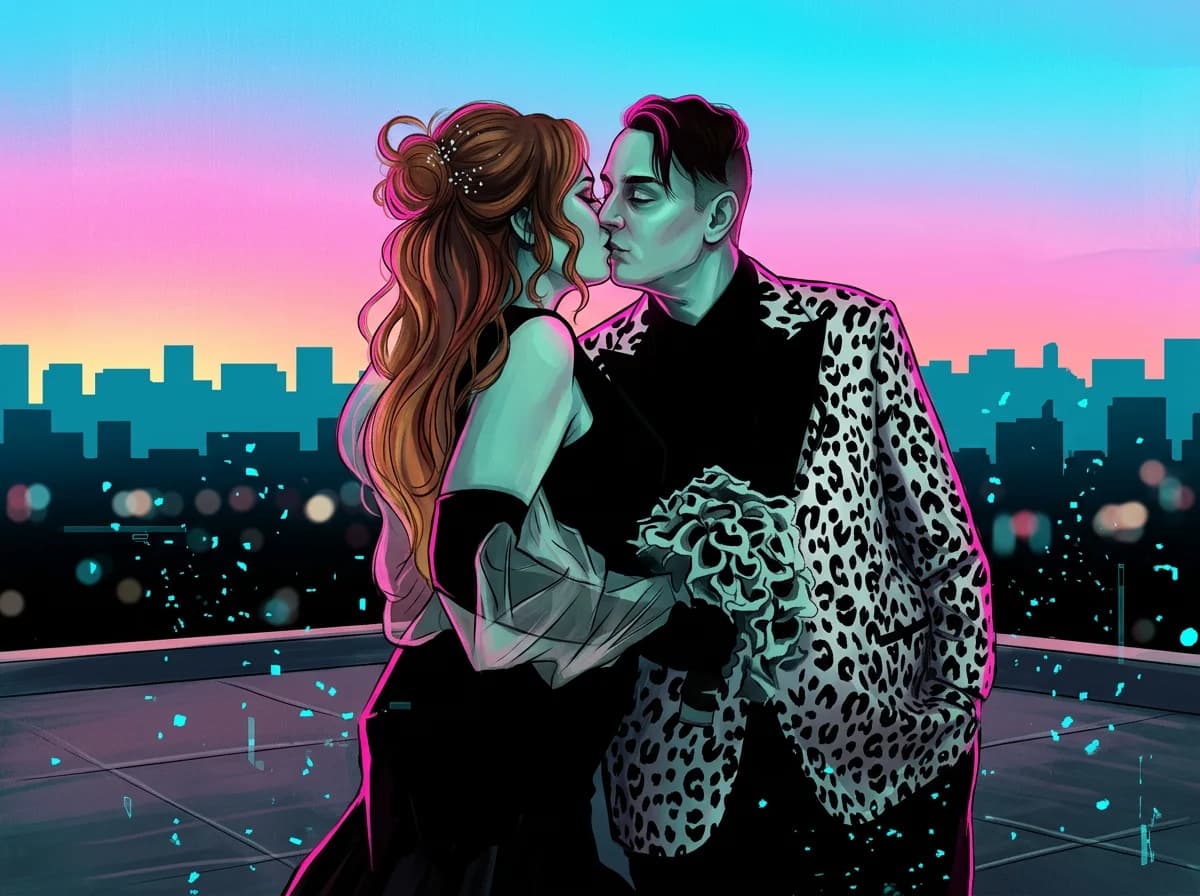
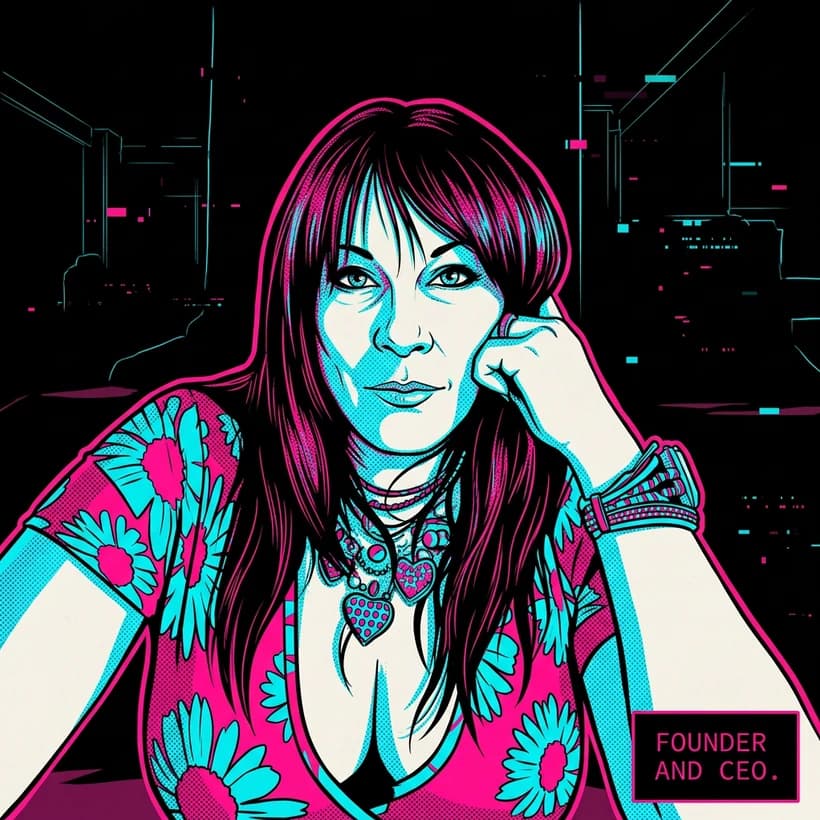
Emmy-nominated CNN producer turned fashion-tech founder and CEO.
CNN is not a writing credential, it is a judgement one. A producer decides what the story is while it is still happening, with the clock running and no version to revise later. You learn to tell the difference between a thing that is interesting and a thing that matters, and you learn it in public, at speed, where being wrong is visible immediately.
That is the rarest thing in a studio that runs on machines. Generation is cheap now and getting cheaper; taste under deadline is neither. Nothing here ships because it came out well. It ships because somebody decided it was the story.
She builds StyleLift — the first wardrobe-aware AI shopping platform. Five intelligence layers sitting on top of what you already own, which is the part everyone else skips and the only part that makes the answer good. It started as her own problem rather than a market she picked: a closet full of clothes and nothing to wear is not a shopping failure, it is a memory failure, and no recommender that ignores what you own can fix it.
Leaving a network job to build that is the same bet twice. Once on the problem being real, and once on being the person who ships the answer rather than the person who commissions it.
A newsroom teaches you to cut the thing that isn't the story. That instinct is all over this studio, including — especially — the parts she didn't build.


 01
01Years of deciding what a story actually is, on a deadline, with the whole thing live.
 02
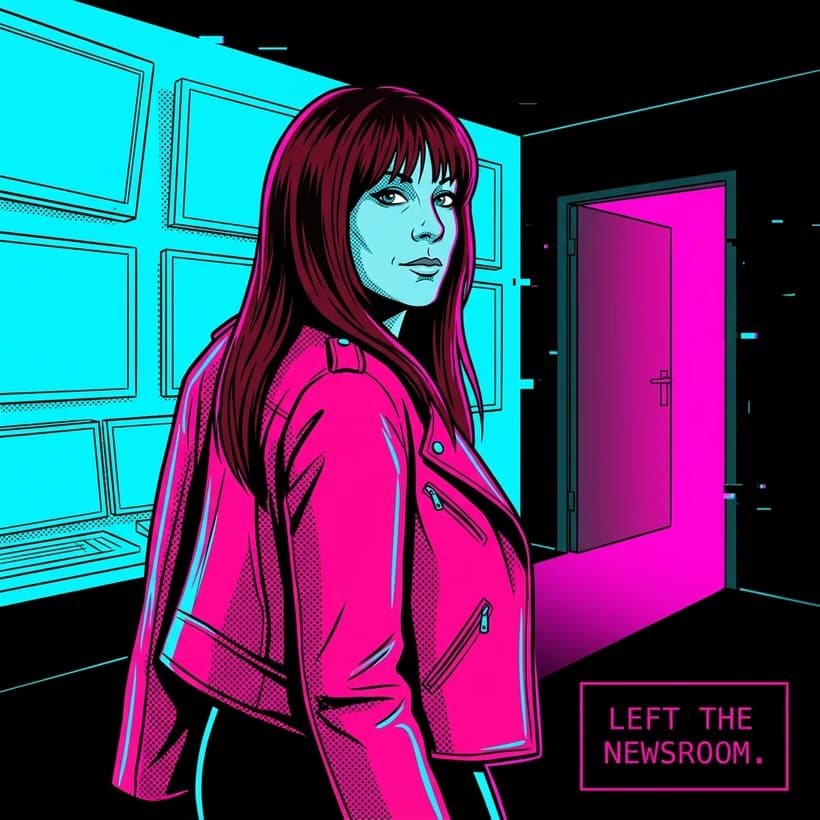
02Left broadcast for the problem she kept having as a person rather than a producer: a wardrobe full of clothes and nothing to wear.
 03
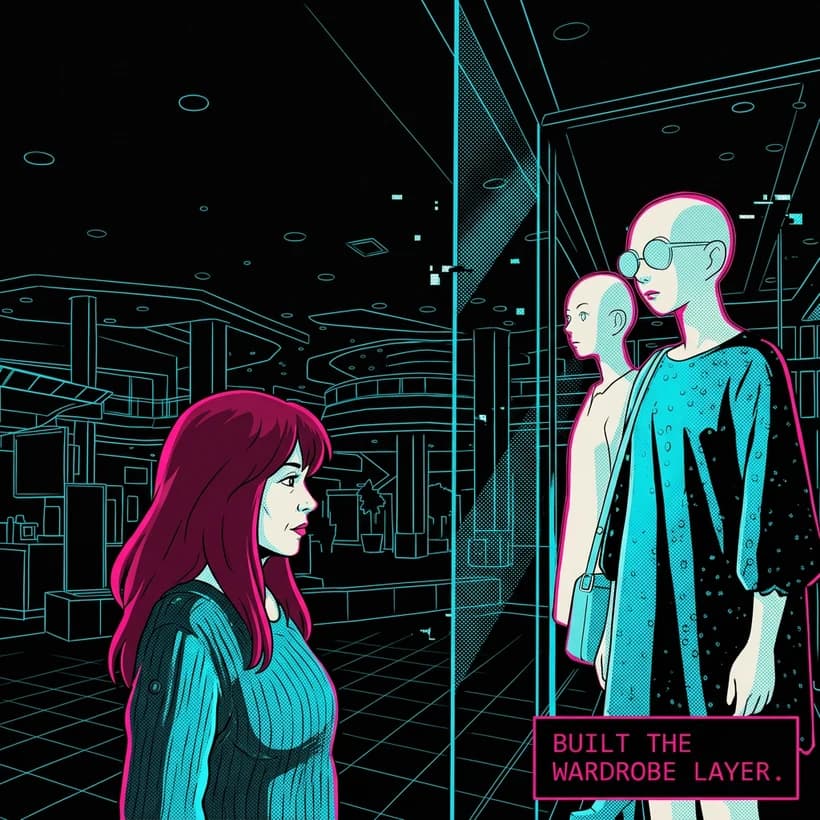
03Five intelligence layers over what you already own. Knowing that is the entire difference between a recommendation and a good one.
 04
04Runs StyleLift. The fashion-tech half of a studio whose other half makes horror audio drama, which tells you something about both.
The half of her that doesn't fit in a bio.

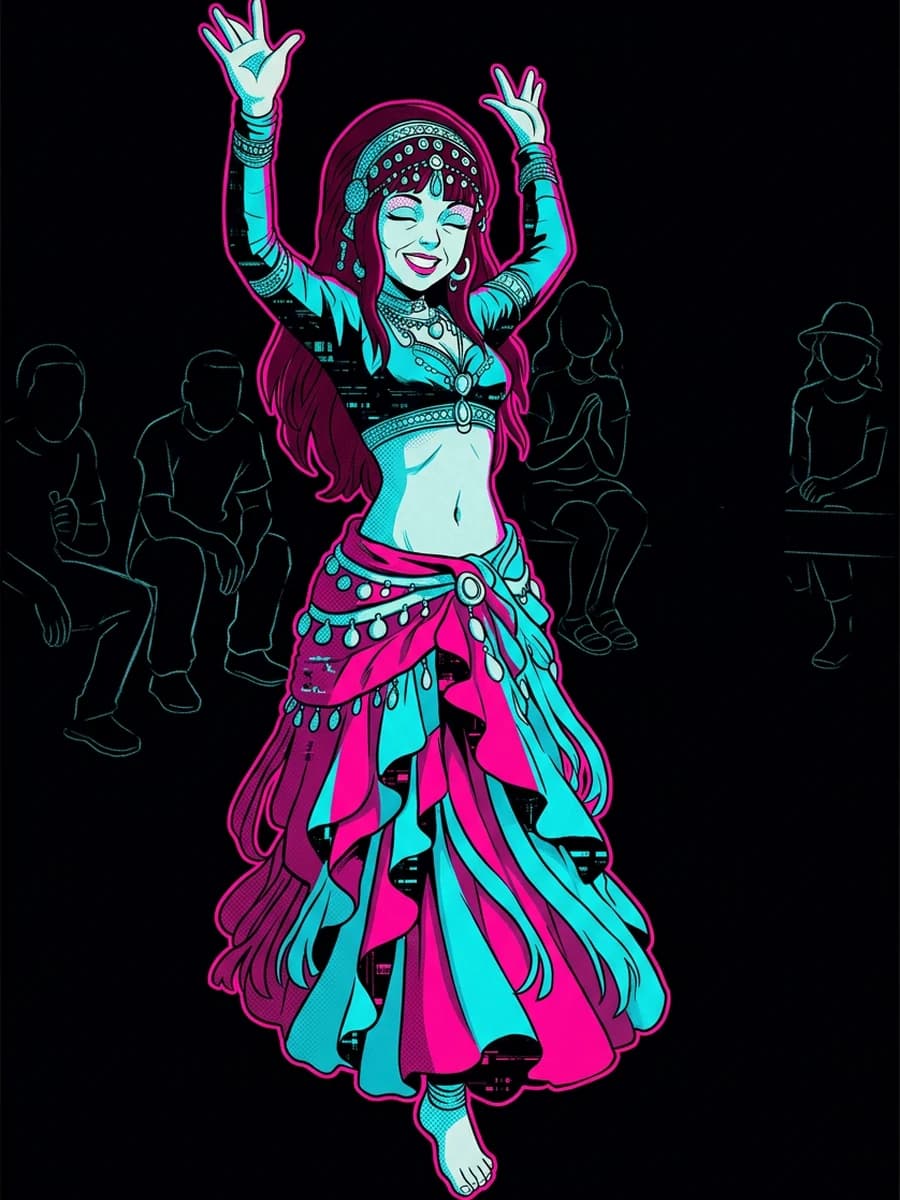
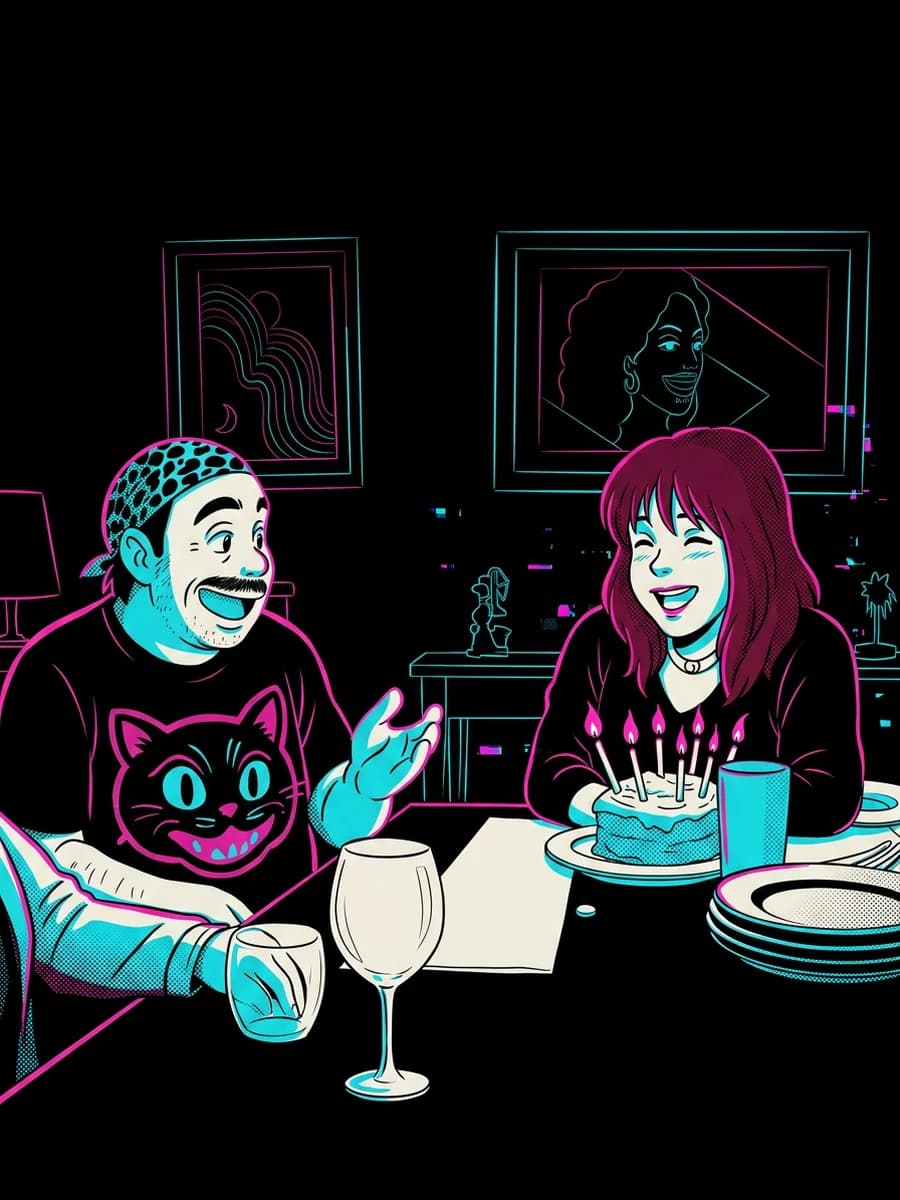


Enterprise AI work is the revenue and the R&D both. The governance problems a Fortune 100 has are the ones a self-publishing newsroom has, with a bigger legal department attached.
150 things to play, no account, no paywall, no app. If a show ever needs your money to exist it will say so in plain language rather than dimming the lights.
Priced so the studio nets zero, with the arithmetic printed on the page. Paying above cost is a separate button you have to choose on purpose.
These had a page of their own for a while. They belong here — they describe the studio, and this is the page about the studio.
Principle 01
Ideas are worthless; the shipped thing is the argument. A release with rough edges beats a perfect prototype that never left localhost, and the only way to find out whether a thing was worth building is to put it where people can refuse it.
Principle 02
Every dependency is a lease on somebody else's roadmap. Self-host what matters, open what can be opened, write the rest. Optimising a number is how you lose the thing the number was standing in for.
Principle 03
Two people with taste and machines outship a department. No sprint planning, no standups, no permission — the entire coordination cost of this studio is a conversation in the kitchen.
Principle 04
Preserve inefficient beauty. Friction is where meaning comes from. Fitts's Law, cognitive load and somatic markers go in first, and then it gets to look like a cyberpunk anime. Design isn't the wrapper around the product. It is the product.
Principle 05
No venture capital, no runway anxiety, no board meetings. Money comes from making things people choose to pay for, not from convincing strangers the hockey stick is real. Independence is the product; everything else is a feature.
Principle 06
Not a feature bolted on afterwards — it is how the work gets made. Machines write code, cut audio, animate a newscast and catch what a person misses at 2am. People supply taste, direction, and the decision about what the story is.
Principle 07
Every change clears type checks, lint, tests, and the brand and canon gates before it goes anywhere near a release. The gates are machine-run and they block, because a rule nobody enforces is a preference.
Principle 08
Share the journey, keep the details. Vague progress notes and obfuscated commits until launch day, then the whole thing at once with no warning. Nothing here is trying to feed an algorithm. Signal finds signal.
Everything about how this studio thinks is in the work. Nine minutes of the nightly show will tell you more than this page did.